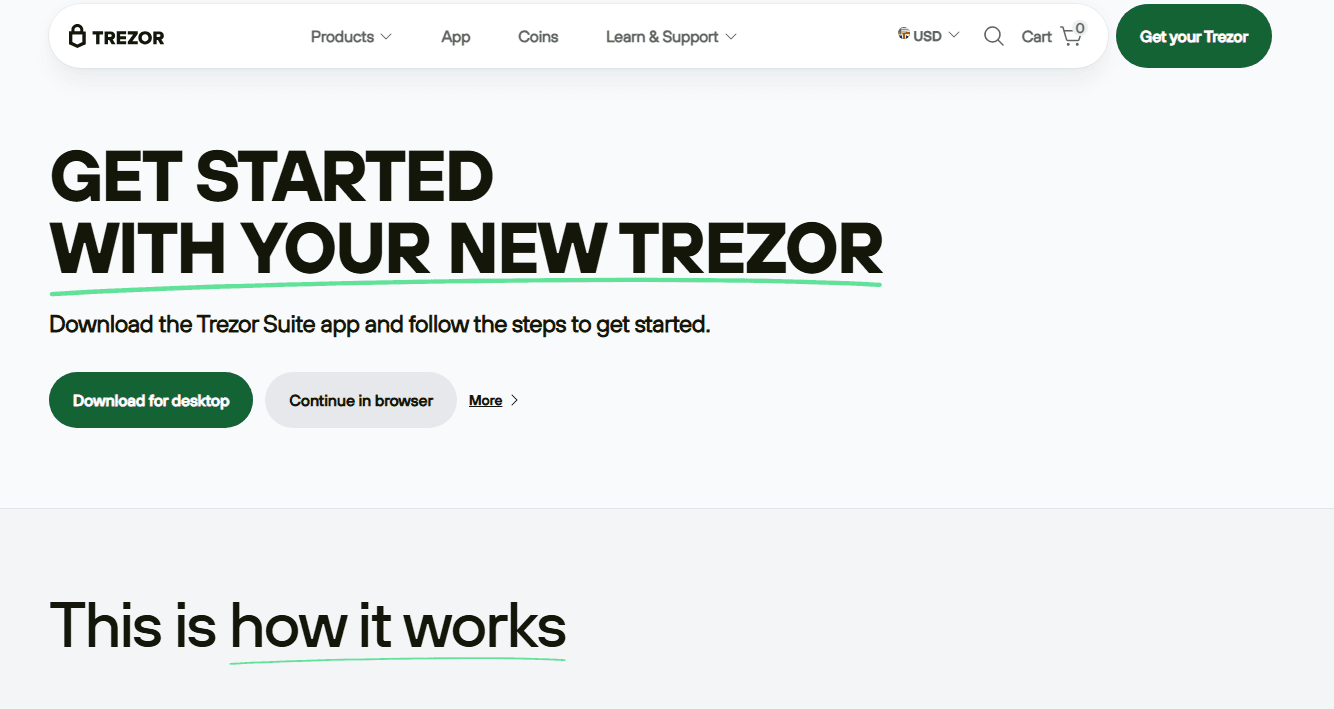
Trezor Start – Complete 1200-Word Setup Guide (No Links)
Starting with a Trezor hardware wallet is one of the most important steps for anyone who wants strong, offline protection for digital assets. Hardware wallets are widely used because they separate your private keys from internet-connected devices, significantly reducing exposure to online threats. The process commonly referred to as “Trezor Start” covers everything from unpacking the device to creating a secure recovery phrase and learning the basics of managing your wallet. This comprehensive guide walks through each step in detail, including best practices, common setup issues, and essential safety habits for long-term use.
Understanding the Purpose of Trezor Start
“Trezor Start” essentially means the onboarding experience that new users go through when powering on their hardware wallet for the first time. The goal is to help users establish a secure crypto environment by generating a new seed phrase, setting a PIN, installing firmware, and linking the device with the Trezor software interface. The process is designed so that every critical security action—such as key generation and transaction approval—happens directly on the hardware wallet, not on the computer.
During this setup, the device ensures that you are the only person who ever sees or controls your recovery phrase. This is the foundation of your wallet’s security.
Unboxing Your Trezor Device
When you receive your Trezor wallet, take a moment to inspect the packaging. A secure device should arrive without any signs of tampering, damaged seals, or suspicious alterations. Inside the box, you typically find:
The hardware wallet
A USB connection cable
A couple of recovery phrase cards
Basic setup instructions
Some branded accessories or stickers
Before plugging the device into a computer, make sure everything is intact and looks untouched. Hardware wallet integrity is vital because physical tampering may compromise security.
Connecting the Device to Begin
To start the setup, connect the Trezor to your computer using the provided cable. Once connected, the device will power on and display an initial welcome screen. It will prompt you to continue the setup through the companion interface. Although the physical device stores your private keys, the computer interface is what you use to manage your wallet visually. The device and interface work together: the interface shows information and sends requests, and the device approves actions.
Installing and Updating Firmware
A new Trezor wallet does not come with firmware pre-installed. This is intentional for security reasons. When beginning the Trezor Start process, the wallet prompts you to install the firmware. The interface will guide you through this step. After confirming on both your computer and the device screen, the firmware is securely downloaded and installed.
If the firmware is outdated or incomplete, the device may request an update before allowing you to proceed. It is important to allow the installation to finish without unplugging the device. Once fully updated, the Trezor reboots and asks whether you want to create a new wallet or recover an existing one.
Creating a Brand-New Wallet
Most new users choose the “create new wallet” option. When selected, the device begins generating a recovery seed phrase. This phrase consists of a set of words that form the core of your wallet’s security. These words are used to reproduce your private keys in the event that your device is lost, broken, or reset.
The critical detail is that the recovery phrase appears only on the Trezor’s built-in screen, not on your computer. This prevents malicious programs from intercepting it.
After the device displays the complete phrase, it asks you to confirm the words. This double-check ensures that you wrote the phrase correctly and in the right order.
Safeguarding Your Recovery Phrase
Your recovery phrase is essentially your entire wallet. Anyone who has this phrase has access to your funds, and if you lose it, nobody—not even the manufacturer—can recover your wallet for you.
Best practices for storing your recovery phrase include:
Writing it on the provided cards
Keeping it in a private, secure place
Avoiding digital storage
Never taking photos
Not sharing it with anyone
Considering fireproof or durable backup options
Many users store the phrase in multiple secure locations for redundancy. This ensures protection against physical damage like water or fire.
Setting a Secure PIN
Next in the Trezor Start process comes creating your PIN. This PIN protects your device from unauthorized access. Every time you connect the device to a computer, you must enter this PIN through the interface, while confirming the pattern on the device itself.
The device uses a scrambled keypad method, meaning the numbers appear in a different order on the device every time. This prevents keyloggers or screen-capture malware from learning your PIN. Choose a PIN that is long, complex, and not related to any personal dates.
Using the Dashboard After Setup
Once your wallet is created and secured with a PIN, your device links with the dashboard in the interface. From here, you can:
Add cryptocurrency accounts
Receive assets with verified addresses
Send transactions securely
View your portfolio
Configure advanced settings
Enable or disable passphrases
Update device firmware
Manage multiple accounts
Most cryptocurrencies require installing their respective modules before you can create accounts. After installation, the interface allows you to generate a receive address that is confirmed visually on the Trezor’s screen.
How the Device Handles Transactions
When you initiate a transaction, the interface sends the details to your Trezor device. The device then displays:
The destination address
The amount
Any transaction fees
You must manually approve or decline the transaction using the physical buttons on the device. This ensures that even if your computer has malware, unauthorized transfers cannot occur because the device itself requires physical confirmation.
All private key operations—such as signing transactions—happen inside the hardware wallet, never on the computer.
Advanced Security: Passphrase Protection
Some users choose to activate an optional feature called the passphrase. This is different from the PIN. When enabled, the passphrase creates an entirely separate hidden wallet that is accessible only by entering the correct phrase every time you connect the device.
The passphrase is not written anywhere, and it is not part of the standard recovery phrase. This adds an additional layer of separation and protection. However, forgetting the passphrase means losing access to the hidden wallet permanently.
Troubleshooting Common Setup Issues
During the Trezor Start process, users occasionally encounter complications. Here are common issues and solutions:
Device Not Detected
This can happen due to:
Faulty cables
Incompatible browsers
Outdated interface software
Trying a different cable or updating the software usually resolves the issue.
Incorrect PIN Attempts
With each incorrect PIN attempt, the device increases the delay time. If the PIN is entered incorrectly too many times, the device resets. You can restore the wallet using your recovery phrase.
Firmware Installation Problems
If firmware installation fails, it may be due to loose connections or interrupted downloads. Reconnecting and restarting the update usually completes the process.
Address Verification Issues
If the interface displays an address that does not match the address on your device screen, cancel the transaction. Always trust the device display over the computer.
Maintaining Long-Term Security
After successfully completing Trezor Start, here are essential habits to maintain:
Keep your firmware updated
Only plug your device into computers you trust
Store your recovery phrase securely
Always verify transaction details on the device screen
Avoid sharing device-related data
Consider a passphrase if you need advanced protection
Final Overview
The Trezor Start process is designed to ensure that new users build their wallet on a strong, secure foundation. By generating a recovery phrase directly on the device, establishing a PIN, approving transactions on the hardware screen, and keeping keys offline, the setup prioritizes safety at every step.